

Before / After Paddock Explainer
WA Broad-Acre & Pasture Systems
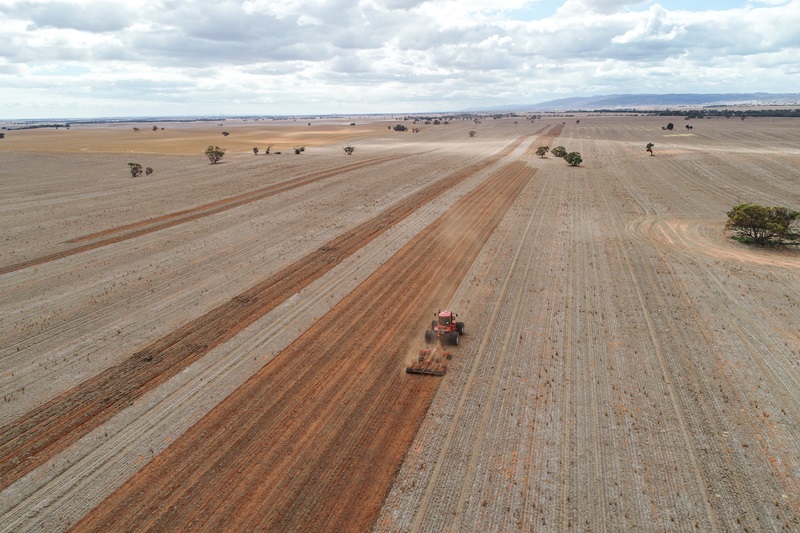

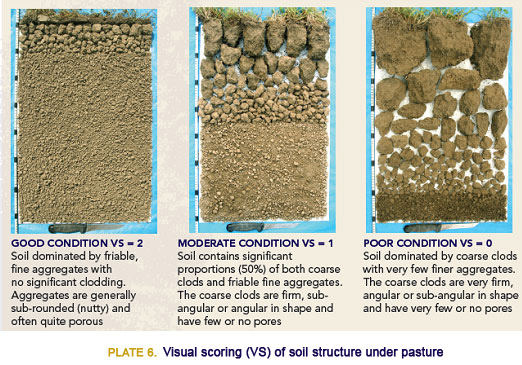
BEFORE: biologically thin paddock
What it looks like on the ground:
-
Pale, loose, dusty sand
-
Soil blows or crusts
-
Water disappears fast
-
Roots stay shallow
-
Nitrogen response is short-lived
-
Patchy growth across paddock
-
Weeds fill gaps
-
Stock pressure shows quickly
What’s happening underground:
-
Very low microbial populations
-
Nitrogen moves like water → straight past roots
-
No aggregation = no nutrient holding
-
Carbon oxidises instead of stabilising
-
Roots have no partners
This paddock is input-dependent and fragile.
AFTER: Earthfood spray on the paddock (season-by-season)
What farmers notice first:
-
Soil darkens and holds together
-
Moisture lingers longer after rain
-
Roots push deeper
-
Nitrogen response lasts longer
-
Growth evens out across paddock
-
Bare ground reduces
-
Weeds lose dominance
-
Stock recovery improves
What’s happening underground:
-
Soil-borne microbes attach to roots and particles
-
Nitrogen is cycled, not flushed
-
Micro-aggregates form in sandy soil
-
Carbon is held in living biomass
-
Carnivorous microbes recycle nutrients continuously
Same paddock. Same rainfall. Different system behaviour.
The key shift: From: chemistry trying to hold sand together
To: biology doing the holding. That’s the turning point.
Sheep vs Cattle Systems
How biology behaves differently


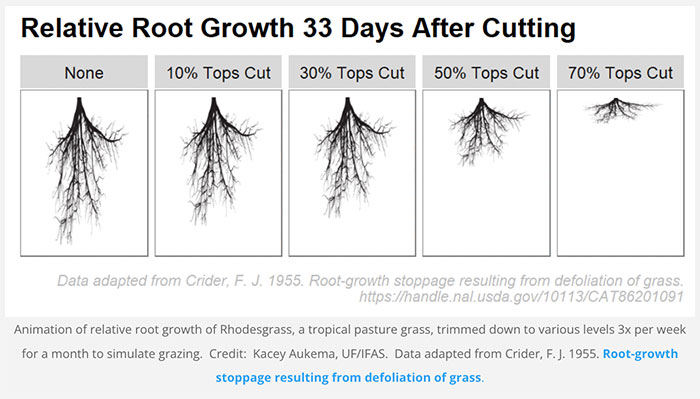
Sheep systems (lighter, tighter grazing)
Typical challenges:
-
Frequent grazing pressure
-
Short recovery windows
-
Selective grazing exposes bare soil
-
Nitrogen lost quickly between grazes
Biology matters because:
-
Shallow roots need steady nutrient access
-
Soil surface must stay knitted together
-
Fast microbial cycling is critical
Earthfood outcomes:
-
Faster pasture recovery after grazing
-
Improved ground cover
-
Better root density near surface and depth
-
Nitrogen works longer between applications
-
Less bare ground for weeds to exploit
Sheep systems benefit from stability and speed in nutrient cycling.
Cattle systems (heavier, pulsed grazing)
Typical challenges:
-
Hoof pressure on sandy soils
-
Compaction risk despite low clay
-
Uneven dung/urine distribution
-
Patchy pasture utilisation
Biology matters because:
-
Aggregation protects soil under pressure
-
Microbes buffer nutrient spikes
-
Deep roots stabilise soil structure
Earthfood outcomes:
-
Improved soil resilience under hoof impact
-
Better utilisation of dung-derived nitrogen
-
Deeper root systems
-
Reduced pugging and surface breakdown
-
More even pasture performance across paddock
Cattle systems benefit from structure and depth.
Shared benefit (both systems)
-
Nitrogen efficiency improves
-
Carbon stays in soil longer
-
Water use efficiency increases
-
Feed volatility reduces
-
Systems stabilise over seasons
Biology adapts to stock type and chemistry doesn’t.
If nitrogen keeps disappearing, the soil isn’t holding it, then, biology is missing.
Written by Bronwyn Holm, Founder, Earthfood, Farmers' Friend • Gardeners' Guide • Soil Advocate • Growers’ Voice. Bronwyn Holm works alongside farmers, gardeners, land stewards and balcony pot legends to restore living soil through biology, not chemistry.
Earthfood™ was built to return microbial intelligence to the ground quietly, effectively, and without dependence on industrial inputs.
© Bronwyn Holm 2026 Earthfood™ • Earthfood Pantry® • Earthfood Conversations® All trademarks and intellectual property protected. All Rights Reserved.
Shop living soil microbes at yourearthfood.com to feed your soil, let life do the work.
All trademarks, content, and intellectual property are protected under Australian and international law. No reproduction, redistribution, or use without prior written permission.