

Farming in the Perth Region: Sandy Soils, Nitrogen Loss, and the Biology That Brings It Back
Across the Perth region and much of Western Australia, farmers are working some of the oldest, sandiest soils on Earth. They’re free-draining, low in clay, low in organic matter, and notoriously hard to hold nutrients in.
Nitrogen disappearsed with moisture that doesn’t linger. Inputs cost more every year with diminishing returns. This isn’t a management failure, it is in fact a biological gap.
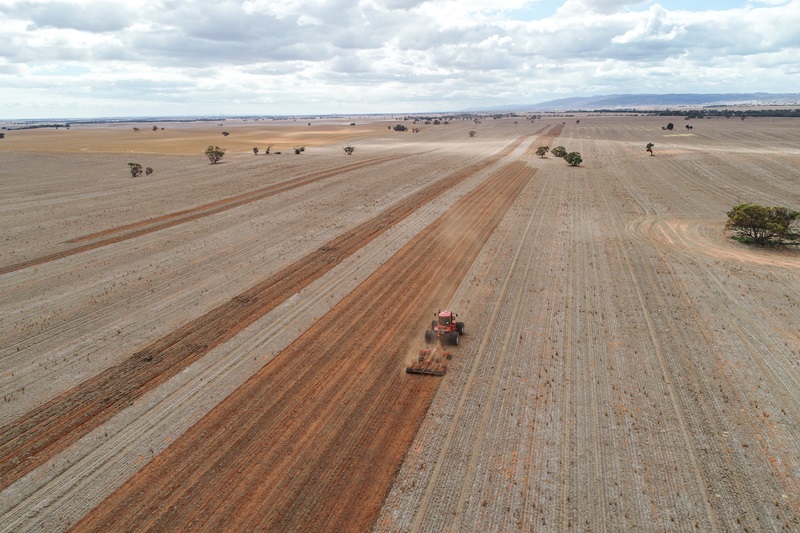
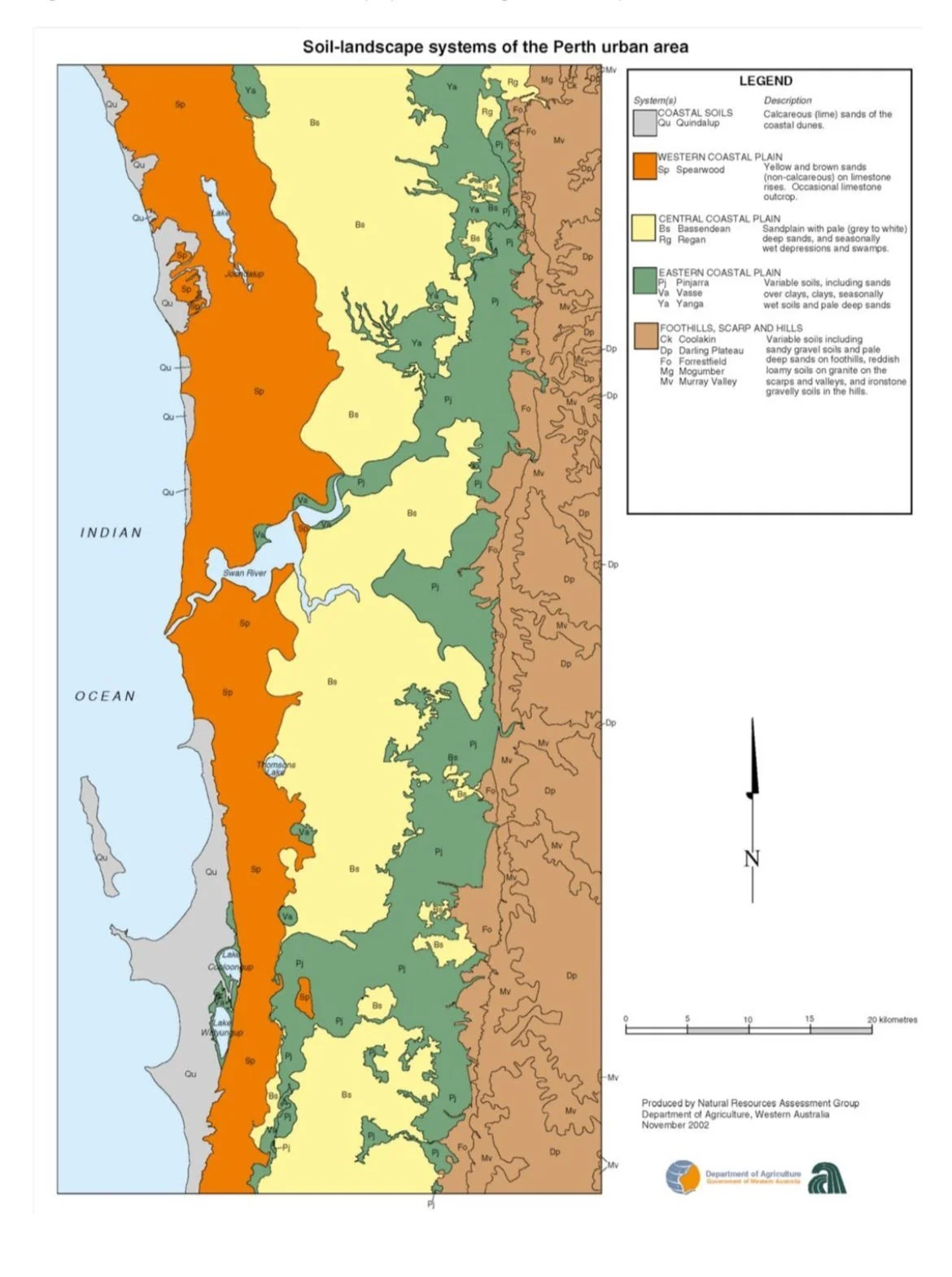
What W.A. sandy soils do under pressure: In Perth-region farming systems, sandy and sandy-loam soils tend to:
-
leach nitrogen below the root zone
-
lose moisture rapidly after rainfall
-
heat up quickly in summer
-
compact under machinery despite low clay
-
rely heavily on synthetic inputs to perform at all
Yields spike, then stall. Costs rise, but soil condition doesn’t improve. That’s the warning sign.
Why nitrogen keeps escaping: Nitrogen loss in WA soils isn’t just a fertiliser issue because it’s a missing microbial workforce. Without living, soil-borne microbes:
-
nitrogen isn’t stabilised in the root zone
-
organic matter doesn’t cycle properly
-
soil has no biological “holding capacity”
-
plants are forced into shallow, stress-prone root systems
You’re applying nitrogen into a system that can’t keep it.
What nitrifying, soil-borne microbes actually change: Earthfood works with nitrifying, soil-adapted living microbes. They are organisms selected to live underground, attached to soil particles and roots, not floating through water. In Perth-region farming soils, these microbes:
-
convert nitrogen into plant-available forms in situ
-
reduce nitrogen losses through leaching
-
build micro-aggregation in loose sand
-
increase water-holding capacity biologically
-
support deeper, more resilient root systems
-
stabilise production across heat and dry periods
This isn’t a yield spike. It’s a system correction.
Carnivorous microbes: the missing regulator: Healthy agricultural soils contain predatory (carnivorous) microbes because bacteria and protozoa that feed on other microbes. Their role is critical:
-
they release nitrogen and minerals locked inside microbial cells
-
they regulate population booms and crashes
-
they drive steady nutrient cycling instead of losses
In W.A.’s nutrient-poor soils, this internal recycling is what keeps nitrogen working instead of washing away.
No predators = stalled cycles. Balanced biology = continuous availability.
What changes at paddock scale: Farmers working with restored soil biology typically observe:
-
improved nitrogen efficiency
-
better moisture retention between rainfall events
-
stronger root penetration into depth
-
reduced reliance on repeated fertiliser applications
-
more even crop performance across variable seasons
-
soil that darkens, cools, and holds together
Same soil type. Same climate. Lower volatility.
Why weeds behave differently: Weeds flourish where soil biology is weak and nutrients are inaccessible. As soil life returns:
-
nutrient cycling improves
-
bare ground stabilises
-
weed pressure often shifts or reduces
-
competition dynamics change in favour of crops and pasture
This is not weed “control”. It’s system balance.
The Perth region reality: WA soils don’t respond well to force. They respond to biology.
Trying to out-input these ancient sands is expensive and exhausting. Rebuilding the underground workforce allows the soil to start doing its share of the work again.
W.A. farmers here is the thing you need to know: Perth-region soils aren’t unproductive, they’re unfinished.
When nitrifying and regulating microbes return, nitrogen stays put, water works harder, and farming becomes more stable. Not overnight, but season by season. and especially a clear-to-see improvement within the first 4 months, then 9 months timeline.
That’s how ancient soils are repaired. Simply spray out and stop the hard work.
Bronwyn Holm
Founder, Earthfood™
Farmers' Friend • Gardeners' Guide • Soil Advocate • Growers’ Voice
Bronwyn Holm works alongside farmers, gardeners, land stewards and balcony pot legends to restore living soil through biology, not chemistry. Earthfood™ was built to return microbial intelligence to the ground quietly, effectively, and without dependence on industrial inputs.
© Bronwyn Holm 2026
Earthfood™ • Earthfood Pantry® • Earthfood Conversations®
All trademarks and intellectual property protected. All Rights Reserved.
Shop living soil microbes at yourearthfood.com to feed your soil, let life do the work.
All trademarks, content, and intellectual property are protected under Australian and international law. No reproduction, redistribution, or use without prior written permission.