

Ratstail grass (often Sporobolus spp., sometimes called giant or American rat’s-tail) is one of those weeds that wins if you only attack it once. The trick is timing and persistence, because the plant survives by producing huge numbers of seeds and a tough crown.
Here’s the practical approach farmers use.
1. Remove the seed heads immediately
This is the most important step.
Ratstail spreads mainly by seed rain. Each plant can throw thousands of seeds that stay viable in soil for years.
If you see seed heads:
• slash them off
• bag them if possible
• do not compost them unless the compost gets very hot
Stopping seed production is half the battle.
2. Kill the plant crown
The plant survives from a hard crown at the base.
Methods:
Manual removal (best for small infestations)
-
dig the whole crown out
-
remove roots
-
disturb soil as little as possible afterwards
Repeated slashing (larger patches)
-
slash before seed head forms
-
repeat every 6–8 weeks
Eventually the plant weakens.
3. Use a suffocant or foliar kill
Your Earthfood Maintain pine-oil suffocant can actually work well on ratstail if applied correctly.
Key points:
• spray in full sun
• soak the foliage until dripping
• target young growth before seed head forms
• repeat if regrowth appears
Because Maintain works by suffocation, it’s more effective on:
-
young plants
-
freshly cut regrowth
Large mature clumps may need cut → regrow → spray.
4. Fix the soil competition
Ratstail thrives where soil is:
• degraded
• compacted
• low biological activity
• bare
Once you remove the plant, you must replace it with something stronger or it will return.
Good competitors include:
• dense pasture grasses
• clover mixes
• groundcovers
• garden crops
Your Earthfood Life nitrifying living soil microbes help here because living soil builds competitive root systems quickly.
5. Mulch heavily
If the area is garden beds or orchard:
• cardboard layer
• thick mulch (10–15 cm)
This stops dormant seeds from germinating.
6. Watch the soil seed bank
Ratstail seeds can remain viable for years.
Expect:
• new seedlings after rain
• periodic follow-up removal
But if you prevent seeding for 2–3 seasons, the population collapses.
The weak point in ratstail grass
Ratstail grass dominates because it thrives in biologically dead soil.
These weeds are pioneer survival plants. They move into land where:
-
microbial diversity is low
-
nutrient cycling is broken
-
pasture competition has collapsed
-
soil carbon is depleted
In other words, ratstail isn’t just a weed problem, it’s a soil system failure signal.
When soil biology improves, ratstail loses its competitive edge because:
• better grasses outcompete it
• roots occupy the soil space
• nutrient cycling improves
• seedlings struggle to establish.
That’s the biological weak point.
The plant is tough, but the system it depends on is fragile.
FARMERS' NOTES: The control sequence:
1. Stop the seed rain
Slash or remove seed heads immediately.
One plant can throw tens of thousands of seeds.
2. Knock the plant down
Cut or spray the existing clumps.
Even a suffocant spray works well after slashing when fresh regrowth appears.
3. Repair the soil system
This is where most people fail.
They kill the weed but leave the soil broken, so the weed comes straight back.
Instead you rebuild the soil biology.
When living microbes establish in the root zone:
-
pasture grasses regain strength
-
roots expand
-
nutrient cycling restarts
-
ratstail seedlings lose the advantage.
4. Re-establish competition
Oversow or encourage strong pasture.
Healthy pasture + living soil biology = ratstail collapse over time.
Ratstail grass is usually blamed as the problem. But it’s actually a symptom. These grasses move into soils where biological function has collapsed.
You can slash them. You can spray them. But if the soil stays biologically weak, the weed just returns. The long-term solution is rebuilding living soil so the pasture can compete again. That’s where microbial systems like Earthfood come in, not as a magic spray, but as part of restoring the soil ecology that weeds like ratstail exploit.
FARMERS NOTES:
Farmers already know:
-
weeds follow soil degradation
-
pasture health determines weed pressure.
There are actually three different weeds commonly called Ratstail, and one of them is much harder to eliminate than the others.
Simple rule
Never let it seed. Ever. One flowering plant can reset the infestation.
SPECIFIC INFO BELOW: QUEENSLAND
In the Gympie / Wide Bay region, when people say ratstail grass they almost always mean one of these two Sporobolus species. They look similar but behave slightly differently.
Giant Rat’s Tail Grass (Sporobolus natalensis)
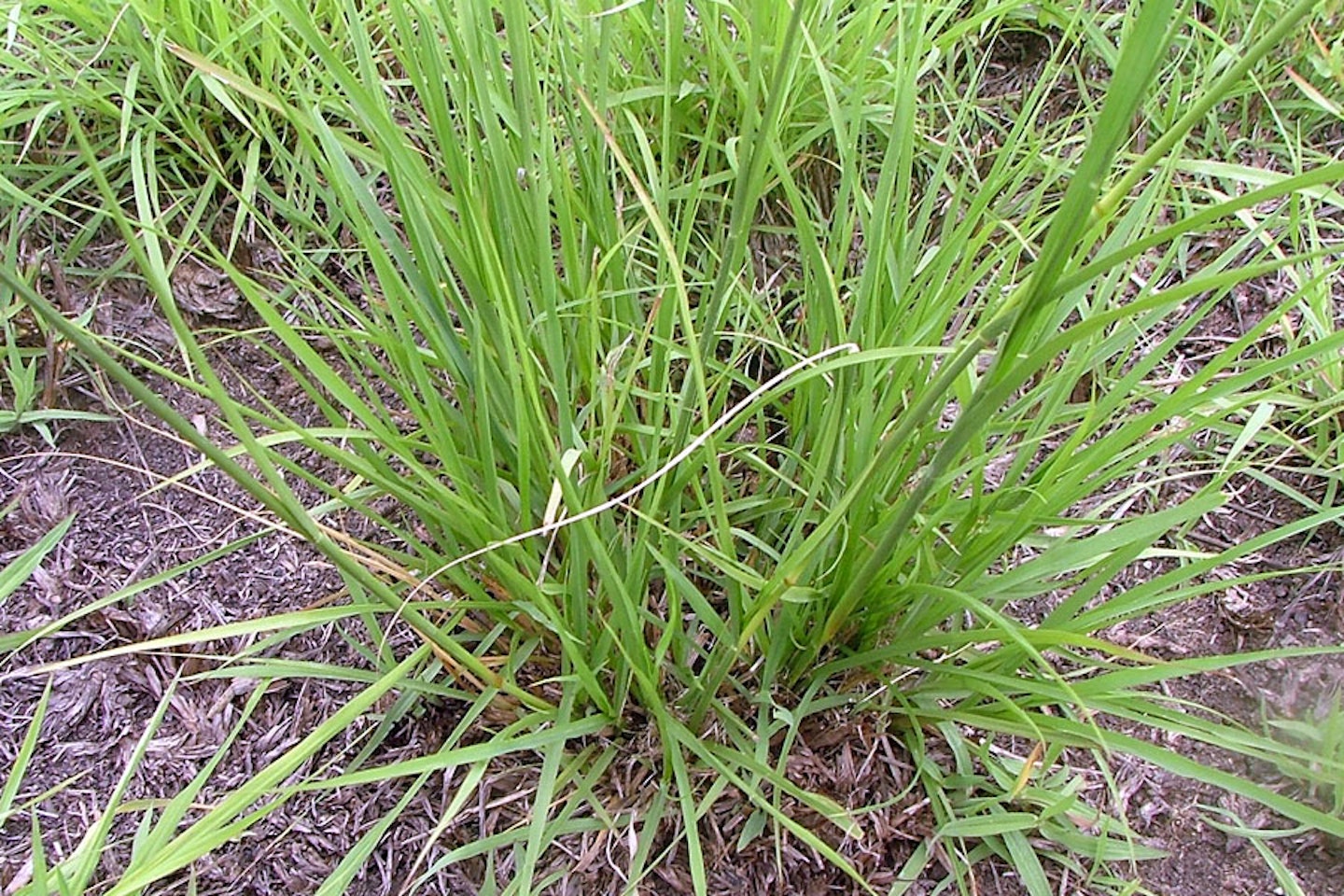
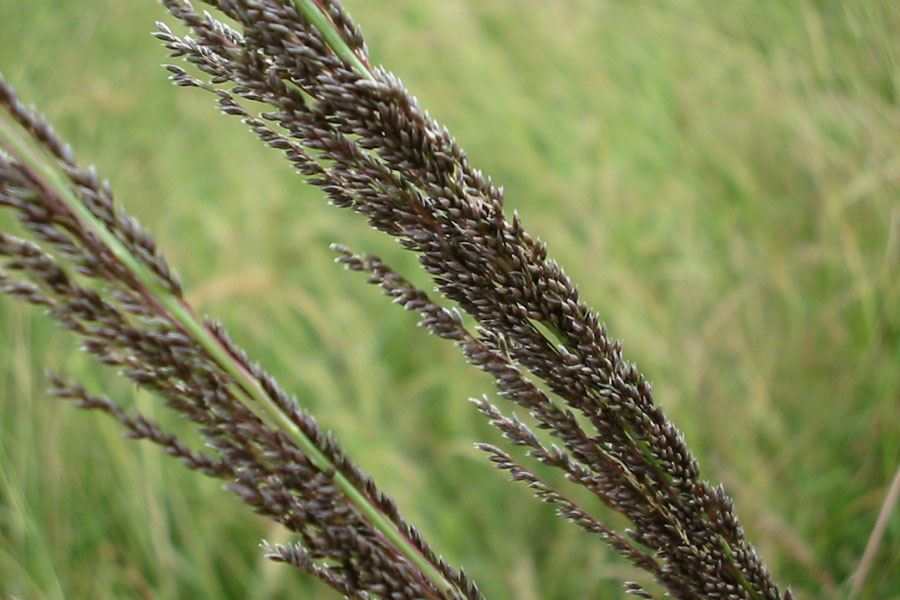
-
forms large hard clumps
-
leaves are tough and wiry
-
seed heads are tall and open like a loose plume
-
cattle usually won’t eat it
Problems:
-
produces huge amounts of seed
-
seeds spread by wind, animals, vehicles
-
becomes dominant in poor pasture.
American Rat’s Tail Grass (Sporobolus jacquemontii)
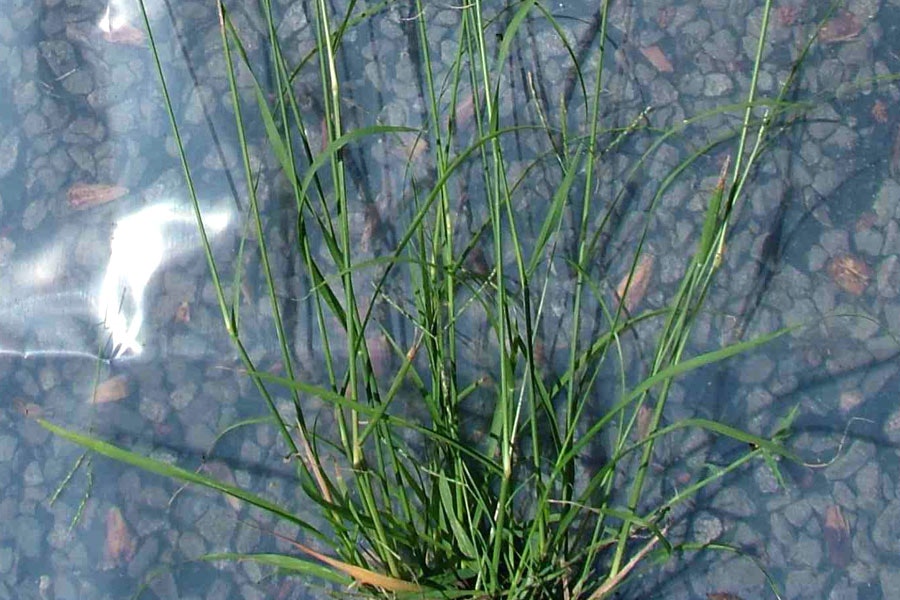

Also common in SE Queensland. How to recognise it:
-
smaller clumps
-
thinner leaves
-
seed head more compact and narrow
-
still produces a lot of seed but spreads slightly slower.
The control strategy that actually works
Most people fail because they try one treatment. These grasses require a sequence.
Step 1. Stop seeding immediately
If seed heads appear:
-
slash or cut them
-
bag or burn if possible
-
never let plants mature seed
One plant can produce tens of thousands of seeds.
Step 2. Attack regrowth
After cutting, allow fresh green regrowth then treat.
Your Earthfood Maintain suffocant will work better at this stage because:
-
young leaves absorb better
-
mature plants are too tough.
Spray in full sun until dripping.
Step 3. Dig isolated plants
For scattered plants:
-
dig the entire crown
-
remove root base
-
fill hole and replant something competitive.
Step 4. Improve soil competition
Ratstail loves:
-
poor soil
-
compacted ground
-
low biology
Once removed, introduce strong competing plants.
Examples for Gympie:
-
Rhodes grass
-
signal grass
-
legumes like desmodium or clover
-
dense groundcovers
Applying Earthfood microbes helps re-establish biological competition.
Step 5. Follow-up for two seasons
Seeds in the soil will germinate after rain.
So every few weeks:
-
walk the area
-
remove seedlings early.
If you stop seeding for 2–3 years, the infestation collapses.
A trick farmers use
After knocking Ratstail down they often overseed pasture immediately.
The idea is simple:
Bare ground = Ratstail returns.
Covered soil = Pasture wins.
Bronwyn Holm, Founder, Earthfood®
Farmers' Friend • Gardeners' Guide • Soil Advocate • Growers’ Voice
Bronwyn Holm works alongside farmers, gardeners, land stewards and balcony pot legends to restore living soil through biology, not chemistry. Earthfood® was built to return microbial intelligence to the ground quietly, effectively, and without dependence on industrial inputs.
© Bronwyn Holm 2026 Earthfood® • Earthfood Pantry™ • Earthfood Conversations™ All trademarks and intellectual property protected. All Rights Reserved.
Shop living soil microbes at yourearthfood.com to feed your soil and let life do the work.
Certifications
Earthfood® is 100% certified Organic: USDA Certified | OMRI Listed | Southern Cross (AU) Certified | Australia Organics Certified | Eco-Cert (EU) | Organic Trade Association Approved | Carbon8 and Regener8 Standards | International Vegan Association Approved | International Harmony Code.