

Perth Region Pasture Systems: Getting Sandy Soils to Hold Feed, Not Lose It
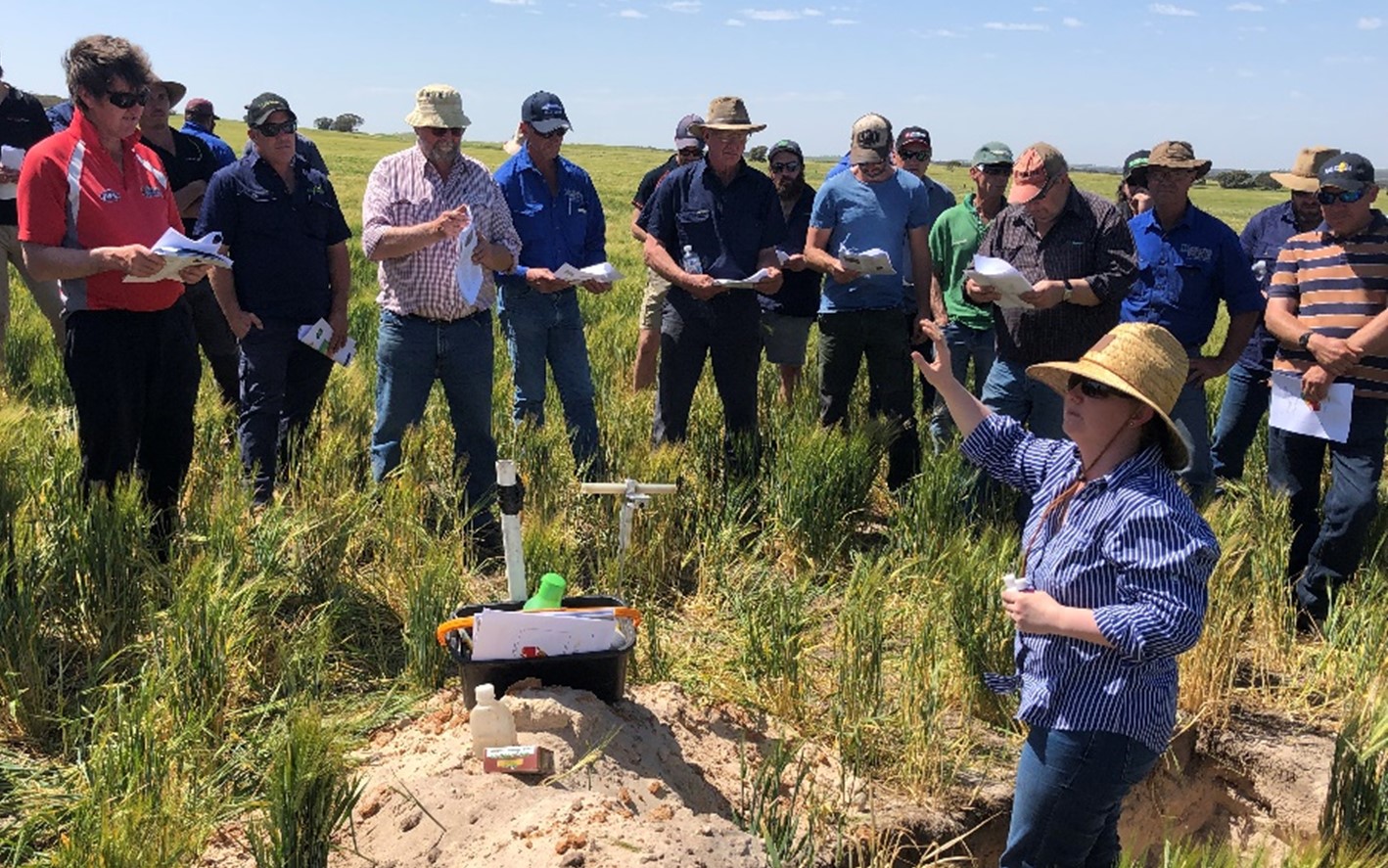
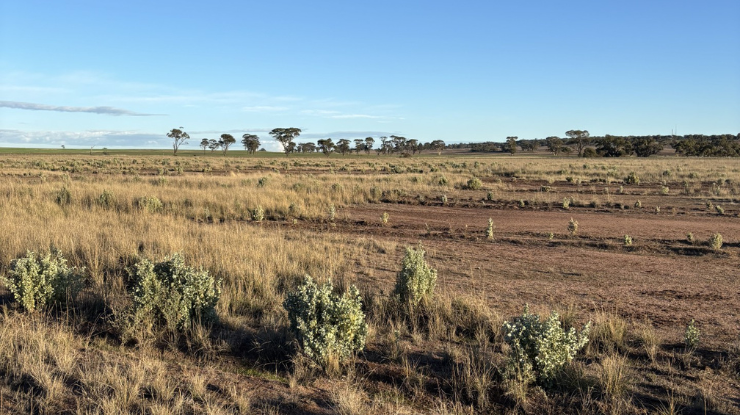
Pasture systems across the Perth region sit on sandy to sandy-loam soils that were never designed to hold nutrients without help. The symptoms are familiar:
-
pastures green briefly after rain or fertiliser
-
feed drops off fast
-
roots stay shallow
-
ground opens up in heat and wind
-
nitrogen efficiency is poor
-
re-seeding and top-ups become routine
This isn’t a pasture management failure. It’s a soil biology gap.
Why pastures struggle in W.A. sands: In biologically thin soils:
-
nitrogen leaches below root depth
-
microbial cycling is weak
-
organic matter doesn’t accumulate
-
roots can’t access steady nutrition
-
pasture species lose resilience under grazing pressure
So grazing systems become reactive instead of regenerative.
What changes when living soil microbes are established: Earthfood introduces soil-borne, nitrifying living microbes — organisms adapted to live underground, attached to roots and soil particles, not floating through water. In pasture systems, this results in:
-
nitrogen converted and held in the root zone
-
stronger microbial–root partnerships
-
improved moisture retention between rainfall
-
deeper root penetration
-
better recovery after grazing
-
more even feed availability across seasons
Pasture doesn’t just grow because it holds.
Carnivorous microbes: keeping feed cycling
Healthy pasture soils contain predatory (carnivorous) microbes that:
-
feed on other microbes
-
release nitrogen, phosphorus, and trace minerals gradually
-
prevent nutrient lock-up
-
stabilise biological cycles under grazing pressure
This internal recycling is what keeps pasture productive without constant top-ups.
What graziers notice first: Across WA pasture systems, early observations typically include:
-
longer green periods
-
improved ground cover
-
stronger root mass
-
reduced bare patches
-
better drought carry-through
-
less volatility year to year
Same sand. Same rainfall. Different performance.
Pasture takeaway: W.A. pastures don’t need pushing harder.
They need biology that keeps nutrients working where animals graze.
Living soil turns feed into a system and not a gamble.
Carbon & Nitrogen Efficiency in WA Soils: Why Biology Beats Inputs


Western Australian soils are often labelled “low carbon”.
In reality, they are low biological activity soils.
Carbon and nitrogen don’t fail because they aren’t added. They fail because there’s nothing to hold and cycle them.
Why carbon won’t stick in sandy soils: In low-biology systems:
-
carbon inputs oxidise quickly
-
organic matter doesn’t stabilise
-
aggregates don’t form
-
microbial populations crash
-
carbon leaves as CO₂ instead of soil carbon
Adding organic matter without microbes is temporary at best.
The nitrogen problem runs parallel: Nitrogen losses in WA soils occur because:
-
microbes that stabilise nitrogen are missing
-
mineral nitrogen leaches rapidly
-
plants rely on short-term uptake windows
-
efficiency drops despite higher application rates
Carbon and nitrogen failures are linked problems.
What living soil microbes change: Nitrifying, soil-adapted microbes:
-
convert nitrogen into plant-available forms in situ
-
tie nitrogen into biological cycles
-
feed carbon into microbial biomass
-
build stable soil aggregates
-
slow oxidation and leaching
-
increase nitrogen use efficiency (NUE)
Carnivorous microbes then:
-
recycle microbial biomass
-
release nutrients gradually
-
prevent system stalls
-
maintain balance over time
Carbon stays because life stays.
Carbon gains without gimmicks: In biologically active soils:
-
carbon accumulates as stable organic matter
-
nitrogen cycles instead of disappearing
-
moisture retention improves
-
root mass increases
-
microbial respiration becomes efficient, not wasteful
This is real sequestration and not accounting tricks.
Why this matters for WA farmers:
-
Better nitrogen efficiency = lower ongoing costs
-
Stable carbon = improved soil structure
-
Improved water use efficiency
-
Greater resilience to heat and dry spells
-
Systems that improve year-on-year, not reset
Carbon and nitrogen stop being losses. They become assets.
WA soils don’t lack nutrients. They lack biological custody of those nutrients.
When living microbes return, carbon stays put, nitrogen works harder, and farming becomes more stable, economically and biologically.
Bronwyn Holm
Founder, Earthfood™
Farmers' Friend • Gardeners' Guide • Soil Advocate • Growers’ Voice
Bronwyn Holm works alongside farmers, gardeners, land stewards and balcony pot legends to restore living soil through biology, not chemistry. Earthfood™ was built to return microbial intelligence to the ground quietly, effectively, and without dependence on industrial inputs.
© Bronwyn Holm 2026
Earthfood™ • Earthfood Pantry® • Earthfood Conversations®
All trademarks and intellectual property protected. All Rights Reserved.
Shop living soil microbes at yourearthfood.com to feed your soil, let life do the work.
All trademarks, content, and intellectual property are protected under Australian and international law. No reproduction, redistribution, or use without prior written permission.